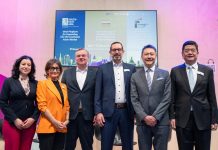


A groundbreaking partnership between Germany’s Messe München and the UK’s Raccoon Media Group is set to reshape the global exhibition landscape. The collaboration marks a pivotal shift for ISPO, the world’s leading sports and outdoor trade fair, as it moves from Munich to Amsterdam, transforming into a co-production between the two powerhouses.
According to Stefan Rummel, CEO of Messe München, this joint venture represents “a milestone” for the trade show industry. “For the first time, a German Messe and a UK organiser are joining forces to take a flagship German show brand beyond national borders and adapt it to a changing global market,” Rummel said. The partnership aims to rejuvenate ISPO’s reach by expanding its capacity, engaging new communities, and accelerating innovation. “We stay in the cockpit, but we are flying faster—together with a pilot who brings a complementary skillset,” Rummel added.
For Raccoon Media Group, led by Chairman Doug Emslie, the collaboration represents a significant scale-up. Emslie, who previously built Tarsus Group into a global exhibitions leader before its acquisition by Informa, emphasized Raccoon’s commitment to community-driven events. “Raccoon has a reputation for building events that deliver strong exhibitor ROI and inject fun and energy for attendees,” he noted. “Messe München’s professionalism and entrepreneurial spirit make them an ideal partner as we reimagine ISPO for a new era.”
This alliance also signals a major cultural shift in the relationship between German and UK organisers—long characterized by cautious independence. Over the past few years, however, partnerships such as Clarion Events’ management of Berlin’s IFA show have demonstrated growing trust and collaboration across the Channel.
By combining Germany’s deep-rooted B2B expertise with Britain’s B2C innovation, Messe München and Raccoon Media Group aim to evolve ISPO’s format into a more dynamic, hybrid, and community-focused event. This initiative underscores the post-pandemic trend toward cooperation, agility, and experience-driven exhibitions.
As legacy brands fade, the challenge for the industry lies in extending event lifecycles and reinventing audience engagement. With ISPO’s transformation, Rummel and Emslie are setting the stage for what could become a blueprint for the next generation of global trade fairs—where collaboration replaces competition, and innovation defines longevity.